S
Carbon AgriAgricultural projectBretagneLabel Bas-Carbone · Labelled
Les Pâturages de Prajo Guen — Gommenec'h
112 ha
Area
548 t
CO₂
0 t
Available CO₂
Project presentation
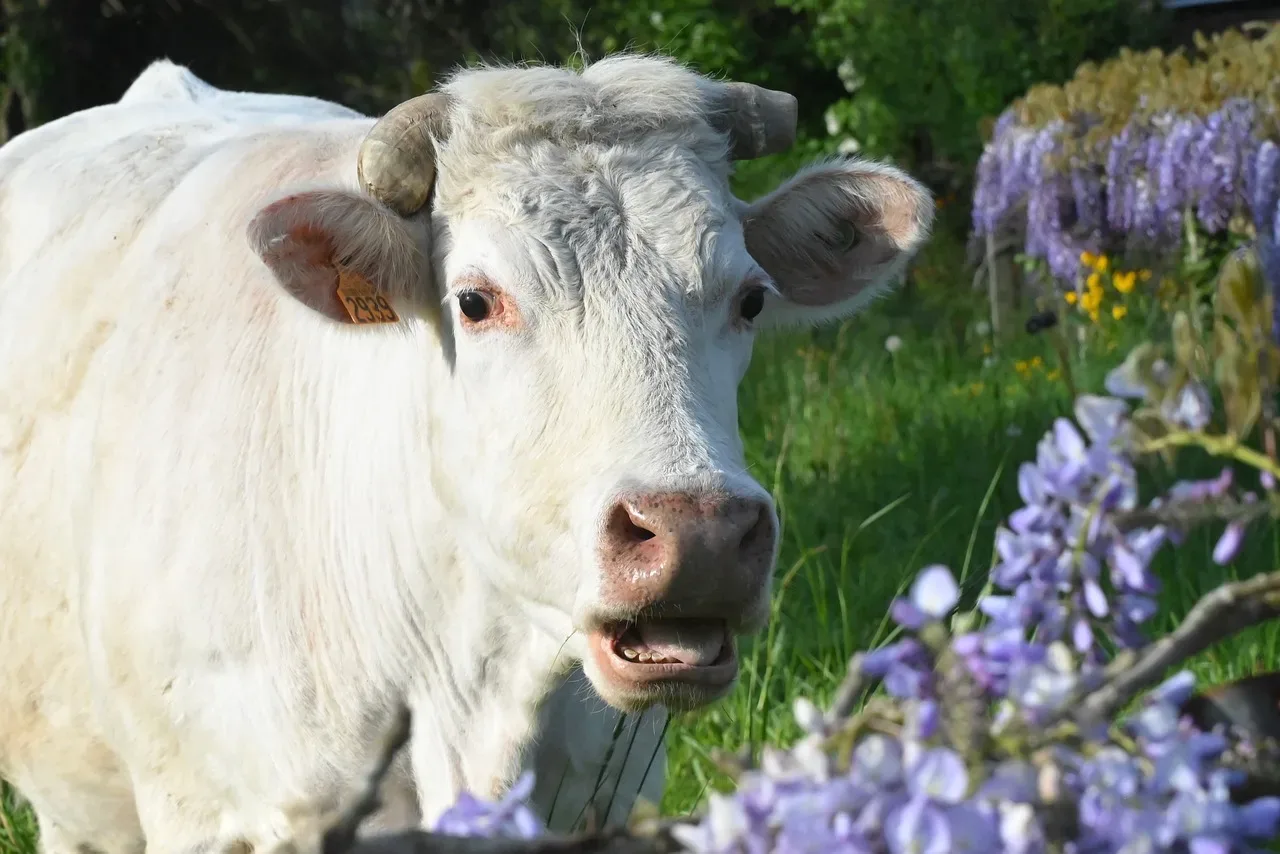
This agricultural project on 112 hectares in the municipality of GOMMENEC'H implements responsible practices designed to reduce greenhouse gas emissions and increase carbon storage in soils, contributing to sequester 548 tons of CO₂ over its lifetime. Certified by the CARBON AGRI method of the Low-Carbon Label, it promotes more resilient and sustainable agricultural ecosystems.
Agricultural levers for this project (4)
Specific practices implemented by the farmer to reduce emissions and increase carbon storage.
🔄
Gestion du renouvellement
Moyen — réduction directe du cheptel improductif et de ses émissionsOptimiser la gestion du renouvellement du troupeau — réduire le nombre de génisses élevées, réformer les vaches improductives, augmenter la longévité — permet de produire autant avec moins d'animaux, réduisant les émissions de méthane du troupeau.
Did you know?
Le saviez-vous ? Élever une génisse de remplacement pendant 2 ans coûte 2 000 à 3 500 € et émet 5 tonnes de CO₂eq, avant même qu'elle ait produit son premier litre de lait.
🫘
Autonomie protéique
Fort — la substitution du soja importé est l'un des leviers les plus puissants en élevageL'autonomie protéique consiste à produire sur la ferme les protéines nécessaires à l'alimentation du troupeau, plutôt que d'acheter du tourteau de soja importé. Cela passe par la culture de colza, féverole, luzerne ou pois, et par l'optimisation des fourrages.
Did you know?
Le saviez-vous ? Pour produire 1 kg de tourteau de soja importé du Brésil, il faut déforester 3 m² de savane du Cerrado. Remplacer ce soja par de la féverole locale supprime cette empreinte.
🌾
Qualité des fourrages
Moyen — amélioration de la digestibilité réduisant le méthane entérique de 5 à 15 %Améliorer la qualité des fourrages (meilleure valeur énergétique UFL, plus de protéines MAT) permet de réduire la quantité de concentrés achetés et de mieux valoriser les ressources de la ferme. Un fourrage récolté au bon stade nourrit mieux et réduit le gaspillage.
Did you know?
Le saviez-vous ? Un foin récolté au bon stade (début épiaison) contient 30 % d'énergie en plus qu'un foin récolté trop tard. Cette différence se traduit directement en moins de méthane émis par la vache.
🧪
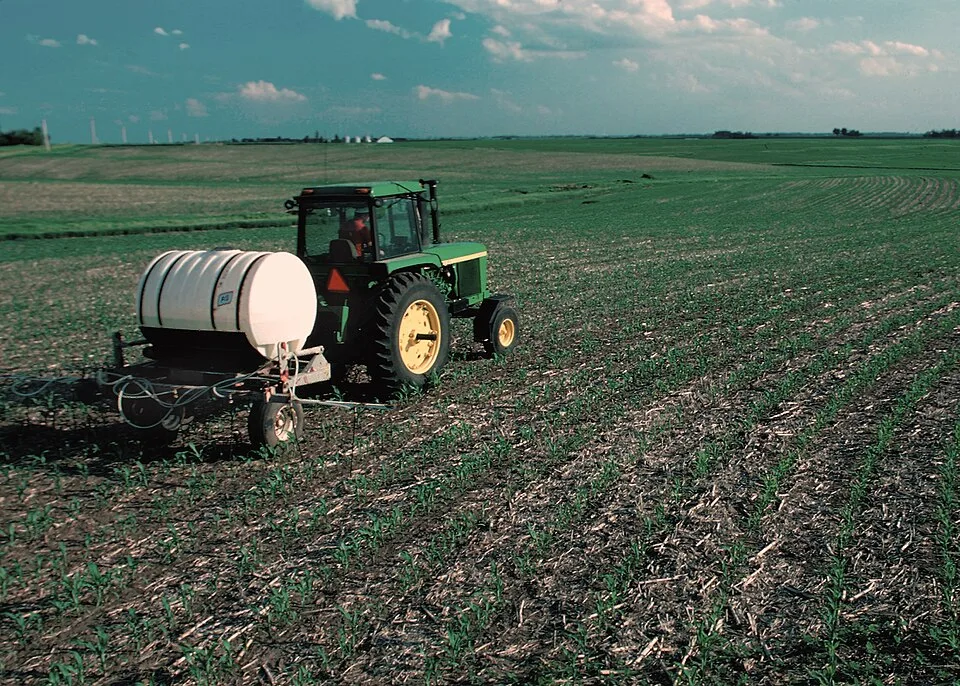
Optimisation de la fertilisation
Fort — la fertilisation azotée représente 40 à 60 % des émissions GES en grandes culturesL'optimisation de la fertilisation consiste à ajuster précisément les apports d'engrais (azote, phosphore, potassium) aux besoins réels des cultures. L'objectif est de réduire les excédents qui se transforment en protoxyde d'azote (N₂O), un gaz à effet de serre 265 fois plus puissant que le CO₂.
Did you know?
Le saviez-vous ? La fabrication d'une tonne d'engrais azoté consomme autant d'énergie que 1,5 tonne de pétrole. Réduire les engrais, c'est aussi économiser de l'énergie fossile.
Environmental & social impacts
Beyond carbon sequestration, each project generates measurable positive impacts on the environment and local communities. Here is the detailed assessment of this project.
🌍Climate
77%
This project sequesters 4.9 tCO₂/ha over its lifetime. Carbon is captured in biomass (trunks, branches, roots) and soils. This is the project's primary impact: contributing to climate change mitigation by removing CO₂ from the atmosphere.
Biodiversity
Significant impact73%
This project creates a rich habitat for wildlife. The ecological corridors formed allow species to circulate, promoting pollination and natural biological pest control.
Water
Significant impact79%
Over 112 ha, the vegetation cover acts as a natural filter. Roots promote water infiltration into soils, reduce runoff and erosion, and enable groundwater recharge. Downstream water quality is directly improved.
Soils
High impact88%
The root system structures the soil in depth. Litter (dead leaves, twigs) enriches organic matter, feeds soil microorganisms and increases water retention capacity. A living, fertile soil is the foundation of a resilient ecosystem.
Socio-economic
High impact83%
This project of 112 ha in GOMMENEC'H supports the local economy: direct jobs (planting, maintenance, monitoring), enhancement of the territory and natural heritage. It strengthens the link between rural communities and their environment, contributing to the ecological transition.
Sustainable Development Goals
The 17 SDGs are a global framework defined by the United Nations to build a sustainable future by 2030. This project directly contributes to 4 of them. Here's why.
2
Zero Hunger
End hunger, achieve food security and improved nutrition
Why this project: With 112 ha of sustainable farming practices in GOMMENEC'H, this project improves long-term soil productivity, secures food yields and strengthens farm resilience against climate risks — directly contributing to local food security.
12
Responsible Consumption and Production
Ensure sustainable consumption and production patterns
Why this project: This project transforms farming practices on 112 ha towards more responsible production: reduced chemical inputs, soil cover, crop diversification.
13
Climate Action
Take urgent action to combat climate change and its impacts
Why this project: This is the primary impact: this project sequesters 548 tons of CO2 over its lifetime, certified by the Low-Carbon Label. Every ton removed from the atmosphere directly contributes to fighting climate change.
15
Life on Land
Protect, restore and promote sustainable use of terrestrial ecosystems
Why this project: By reintroducing soil-friendly practices (cover crops, hedges, reduced tillage), this project restores terrestrial life on 112 ha.
Project timeline
Project notification
March 14, 2023The project owner submits their application to the ministry.
File submission
April 6, 2023The complete file is submitted to the competent authority for review.
Labelling
May 26, 2023The project is validated and receives the official Low-Carbon Label.
Year 1 monitoring
May 2024Project performance indicators check — year 1/5.
Year 2 monitoring
May 2025Project performance indicators check — year 2/5.
Year 3 monitoring
May 2026Project performance indicators check — year 3/5.
Year 4 monitoring
May 2027Project performance indicators check — year 4/5.
Year 5 monitoring
May 2028Project performance indicators check — year 5/5.
Verification audit
November 2027An independent auditor verifies on site that the project carbon objectives have been met.
Final certification
May 2028Emission reductions are verified and carbon credits are definitively issued.
📍 Location
Town
GOMMENEC'H
Postal code
22290
Department
Côtes d'Armor (22)
Region
Bretagne
Project status
Label Bas-Carbone methodCARBON AGRI
StatusLabelled
ODD
2121315
Impact score
Support this project
Our experts will get back to you within 48h
About the Label Bas-Carbone
The only carbon contribution label officially recognised by the French state. Every project is audited by an independent body and listed in the public registry.
Stock CO2
Similar projects
Interested in this project?
Talk to a Stock CO2 expert
We help you select the project that best fits your CSR strategy.