S
← All companies
ABX
EnvironmentLabel Bas-Carbone
ABIOXIR
ABIOXIR contributes to carbon neutrality with Stock CO2
1
project supported
981 t
tCO₂ contributed
38,200 m²
funded area
5,385
trees funded
The commitment
ABIOXIR committed to a Label Bas-Carbone approach with Stock CO2.
In line with its values and CSR policy, ABIOXIR committed to a Label Bas-Carbone approach with Stock CO2.
Christophe Defer
Managing Director
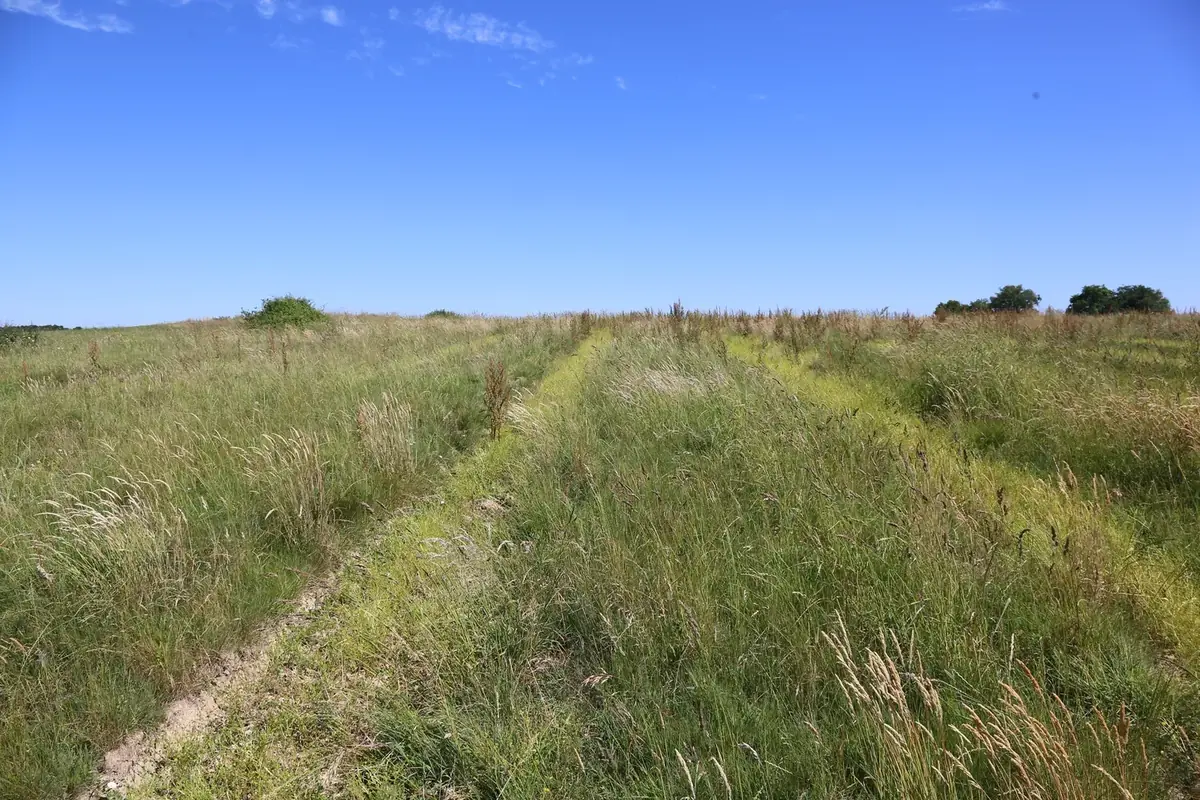
AfforestationPays de la Loire
Le bois de la Persais
Vallons-de-l'Erdre (44), Loire Atlantique
3.82 ha
area
981 t
CO₂
5,385
trees
256.8
tCO₂/ha
📋
Project presentation
Le bois de la Persais is a afforestation project located in Pays de la Loire, municipality of Vallons-de-l'Erdre (Loire Atlantique). Certified Label Bas-Carbone by the Ministry of Ecological Transition using the "BOISEMENT" method, this project covers 3.82 hectares.
The carbon sequestration potential is estimated at 981 tonnes of CO₂ over the project's lifetime, an intensity of 256.8 tCO₂ per hectare.
5,385 trees were planted, comprising 4 different species at a density of 1,410 trees per hectare. This species diversity strengthens the ecosystem's resilience to climate risks and promotes local biodiversity.
🌿
Environmental & social impacts
Beyond carbon sequestration, each project generates measurable positive impacts on the environment and local communities.
🌍Climate
89%
This project sequesters 256.8 tCO₂/ha over its lifetime. Carbon is captured in biomass and soils. This is the primary impact: contributing to climate change mitigation.
Biodiversity
High impact87%
With 4 different species (moderate diversity), this project creates a rich habitat for wildlife. Ecological corridors promote pollination and biological control.
Water
Very high impact93%
Over 3.82 ha, vegetation filters water, reduces runoff and erosion, and promotes groundwater recharge.
Soils
Very high impact94%
With 1410 trees/ha, the root system structures the soil. Litter enriches organic matter and increases water retention.
Socio-economic
Significant impact73%
This 3.82 ha project in Vallons-de-l'Erdre supports the local economy: direct jobs, territory enhancement and ecological transition.
Global score
87%
🎯
Sustainable Development Goals
This project directly contributes to 5 UN SDGs.
3
Good Health and Well-being
Ensure healthy lives and promote well-being for all
Why this project: This project contributes to this goal through its carbon sequestration and local ecosystem strengthening.
6
Clean Water and Sanitation
Ensure availability and sustainable management of water
Why this project: Vegetation cover on 3.82 ha filters runoff and promotes groundwater recharge.
12
Responsible Consumption and Production
Ensure sustainable consumption and production patterns
Why this project: Sustainable forest management of 3.82 ha ensures responsible wood production.
13
Climate Action
Take urgent action to combat climate change and its impacts
Why this project: Primary impact: this project sequesters 981 tons of CO₂, certified Label Bas-Carbone.
15
Life on Land
Protect, restore and promote sustainable use of terrestrial ecosystems
Why this project: This 3.82 ha project plants 4 species, recreating a complete forest ecosystem.
📊
Carbon data
CO₂ contributed by ABIOXIR981 tCO₂
Funded area38,200 m²
Funded trees5,385 trees
Project density1,410 trees/ha
Method: BOISEMENT — Status: labellisé
📍
Location
Municipality
Vallons-de-l'Erdre
Postal code
44540
Department
Loire Atlantique (44)
Region
Pays de la Loire
📅
Project timeline
Project notification
The project owner submits their application to the ministry.
Field audit
An independent auditor verifies the project data on site.
Labelling
The project is validated and receives the official Low-Carbon Label.
Monitoring
Regular monitoring of project progress and carbon indicators.
Credit certification
Emission reductions are verified and carbon credits are issued.
🏛️
Method · BOISEMENT
The Low-Carbon Label is an official certification framework from the French Ministry of Ecological Transition. It guarantees that emission reductions are real, measurable, verifiable and additional.
How it works:
1. The project owner submits a file describing the reference and project scenarios.
2. The difference gives net emission reductions in CO₂ equivalent.
3. An independent auditor verifies the data in the field.
4. The ministry issues the Label and carbon credits are issued.
5. The project is monitored with periodic verifications.
🌳
Planted species (4)
Species diversity strengthens forest resilience against diseases and climate change.

Chêne rouvre / sessile
Quercus petraea · Fagaceae
Arbre majestueux pouvant vivre plus de 500 ans et atteindre 40 m. Essence emblématique des forêts françaises, son bois est prisé en tonnellerie et ébénisterie.
Did you know?
Il représente environ 25 % de la surface boisée en France, c'est l'essence la plus répandue.

Pin laricio de Corse
Pinus nigra subsp. laricio · Pinaceae
Endémique des montagnes corses et calabraises, il atteint 40 m et vit jusqu'à 600 ans. Son fût droit est très recherché pour la charpente et la menuiserie.
Did you know?
Certains specimens de Corse dépassent les 600 ans, ils figurent parmi les plus vieux arbres de France.

Cèdre de l'Atlas
Cedrus atlantica · Pinaceae
Originaire des montagnes d'Afrique du Nord, il atteint 40 m. Bois durable naturellement résistant aux insectes, utilisé en ébénisterie. Essence d'avenir face au changement climatique.
Did you know?
Son bois contient naturellement des huiles essentielles qui le protègent des insectes, d'où son utilisation historique pour les coffres à vêtements.

Charme commun
Carpinus betulus · Betulaceae
Arbre moyen (25 m) au tronc cannelé caractéristique. Bois extrêmement dur utilisé pour les billots de boucher et les pièces mécaniques.
Did you know?
Son bois est si dur qu'il était historiquement appelé « bois de fer » et servait à fabriquer les essieux de charrettes.
Planting density: 1,410 trees/ha
Project summary
TypeAfforestation
MethodBOISEMENT
Statuslabellisé
RegionPays de la Loire
ODD
36121315
Global score
87%
Why Stock CO2?
🔒
Secured contribution
The only solution offering trust, insurance and safety margins.
🏛️
Label Bas-Carbone
Official French state certification, credits on the national registry.
📊
Monitoring & reports
Online dashboard, personalized impact reports and official certificate.
This page is offered by Stock CO2 to its partners to showcase their climate commitment.
Your company too? Contact us →You too?
Commit your company with Stock CO2
Let's discuss your CSR challenges and carbon contribution goals.